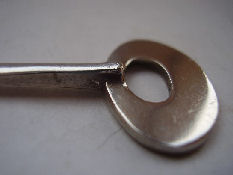
Or: what a 130-year-old firm looks like when it’s still making things worth owning
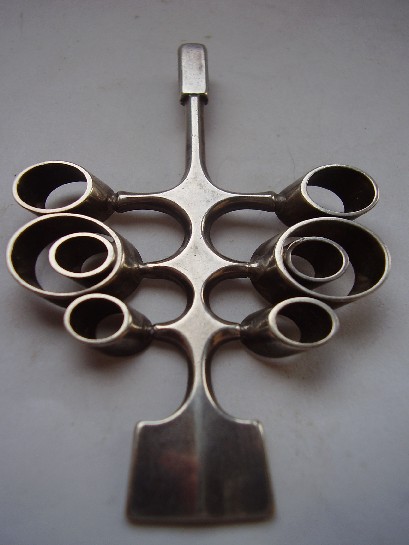
David Andersen founded his Oslo silversmithing house in 1876. Most 19th-century jewellery firms either folded or fossilised into producing the same designs for decades. David Andersen did neither, it kept adapting through Art Nouveau, into enamel work, through mid-century modernism, and the company still operates in Norway today. This pendant comes from that 1960s modernist stretch, clean lines, deliberately understated, a long way from the firm’s ornate 19th-century enamel pieces but unmistakably still built to the same standard.
Why longevity like this actually matters to a collector. A firm that’s operated continuously for a century and a half has an unbroken paper trail, consistent hallmarking standards, and a design archive that scholars and auction houses can actually cross-reference. That’s a real practical advantage over an obscure workshop that operated for five years and left no records. You can date and verify a David Andersen piece with real confidence.
The 1960s pivot, specifically. Like a lot of European silver houses, David Andersen’s mid-century output shows a deliberate move away from ornament toward form, letting the silver itself, its weight and surface, do the work rather than layering on decoration. It’s a design philosophy that’s aged well; pieces from this period don’t look dated the way more ornate Victorian or Edwardian work sometimes does.
What to look for. The house mark should be crisp and the silver content properly stamped, David Andersen has kept consistent hallmarking standards across its whole history, which is exactly what makes a vague or worn mark worth being cautious about.
This piece has since sold. It was part of a small, genuinely personal collection of mid-century and antique jewellery, gathered over years rather than acquired for resale. See the David Andersen pendant on Gozotiques.