
A Swedish Silver Pendant of a Maiden in an Oak Tree, 1948: Folklore Set in Metal

Or: postwar Swedish design still had room for a fairy tale
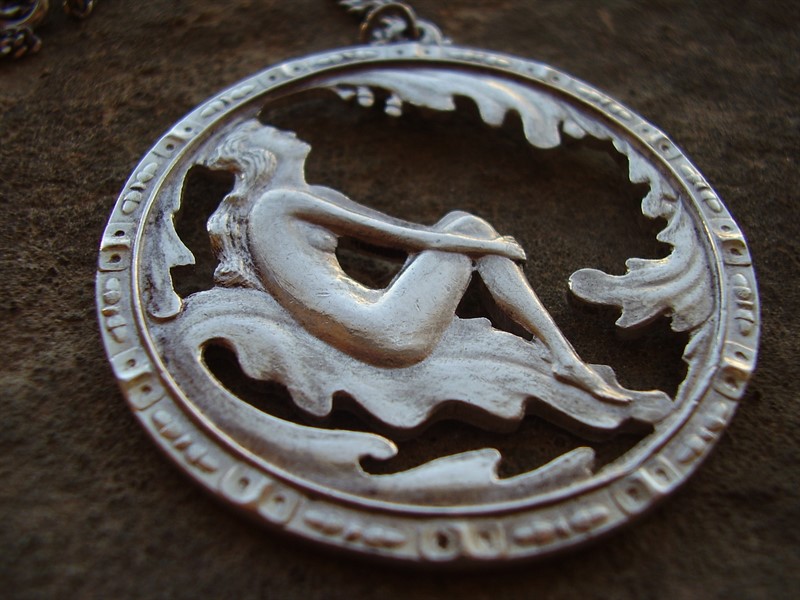
Swedish Silver Pendant of Maiden in Oak Tree 1948

1948 sits right at the start of the clean, structural Scandinavian modernism that would come to define the region’s design reputation over the following two decades. This pendant is a useful reminder that the shift wasn’t instant or total: figurative, folkloric subjects, a maiden set within an oak tree, still had a real place in Swedish silverwork even as the wider design language was moving toward abstraction.

The maiden-in-a-tree motif draws on genuine Scandinavian folklore, tree spirits and forest maidens recur throughout Nordic legend, and rendering that subject in silver connects this piece to a much older craft tradition than the modernist silverwork elsewhere in this collection. It’s postwar in date but pre-modern in spirit, a bridge piece between two very different design instincts.

Why the date matters here specifically. A piece like this made a decade earlier would be unremarkable, folkloric silverwork was the norm. Made in 1948, right as Scandinavian modernism was beginning its ascent, it represents a genuine crossroads moment, craftsmanship looking backward toward legend even as the wider design culture around it was starting to look forward.

What to look for. The figurative detailing, the maiden’s form and the tree’s branches, should be crisp and legible rather than worn to a blur, and the 1948 date mark should be clearly struck. Both are intact on this piece.

This piece is part of a small, genuinely personal collection of antique jewellery, gathered over years rather than acquired for resale. See the Swedish maiden pendant on Gozotiques.
A Bengt Hallberg Swedesign Silver and Labradorite Ring: A Genuine Best Seller

Or: sometimes the popular piece really is the best-made one

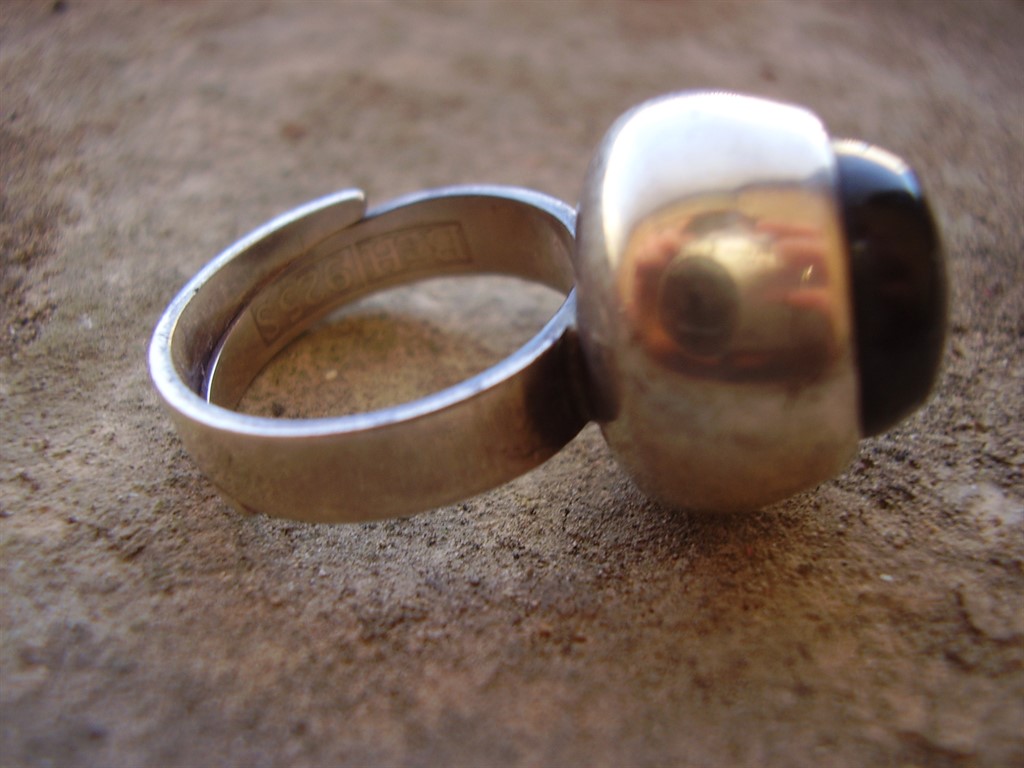
Bengt Hallberg Sweden Swedesign Silver and Labradorite Ring

Bengt Hallberg’s Swedesign workshop produced some of the most consistently well-regarded Swedish silver of the mid-century period, and this ring, set with labradorite, shows exactly why: confident structural silverwork built to let the stone’s shifting colour play move as the hand does, the same design principle running through Elis Kauppi’s Finnish work elsewhere in this collection, arrived at independently by a Swedish maker working the same broad Scandinavian design language.

Labradorite rewards exactly this kind of setting, raised enough to catch the light from multiple angles as the wearer’s hand moves, rather than buried flat where the stone’s signature flash would barely register. Hallberg’s silverwork here does that job well, structural without being heavy, giving the stone room to actually perform.

Why ‘Swedesign’ as a workshop name is worth knowing. The name itself signals intent, a deliberate branding around Swedish design identity at a moment when Scandinavian design generally was becoming an internationally recognised category. Hallberg’s output under that name is well-documented and consistently well-made, which is part of why pieces like this one remain genuinely sought after.

What to look for. The labradorescence should shift visibly as the ring is turned, and the Swedesign mark should be clear and legible, both present and strong here.

This piece has since sold. It was part of a small, genuinely personal collection of mid-century and antique jewellery, gathered over years rather than acquired for resale. See the Bengt Hallberg ring on Gozotiques.

A K & E Carlson Cesons Amethyst Pendant Bracelet: Sweden’s Lesser-Known Silver House

Or: the maker’s mark that takes real digging to place

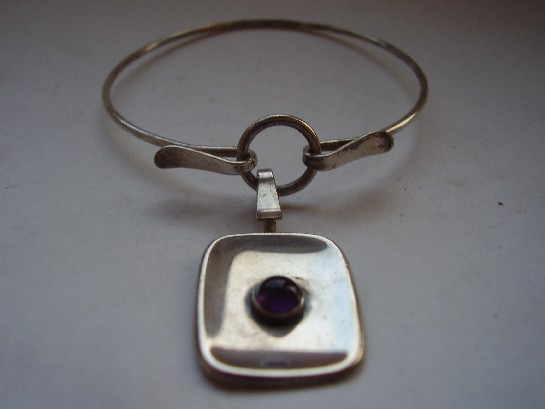
K and E Carlson Cesons silver amethyst pendant bracelet

Not every mid-century Scandinavian workshop left the kind of documentation trail that David Andersen or Georg Jensen did. K & E Carlson, working under the Cesons mark, is one of the harder Swedish houses to research in real depth, the kind of name that turns up reliably on genuine period pieces but doesn’t have a tidy Wikipedia page waiting to explain it. That’s not a flaw in the piece, it’s just the reality of how much mid-century Scandinavian craft production has never been fully catalogued.

This bracelet, built around an amethyst pendant, shows all the hallmarks of the wider Swedish silver tradition of the period, clean structural setting, honest silverwork, a stone chosen and cut to suit the design rather than simply maximise size. It sits comfortably alongside better-documented names from the same era and country without needing their name recognition to justify the craftsmanship.

Why under-documented makers are worth collecting anyway. A piece doesn’t need a famous name attached to be a genuine, well-made example of its period and movement. If anything, tracking down exactly who Cesons was is part of what makes a piece like this interesting to actually own, rather than just display.

What to look for. The Cesons mark itself, alongside standard Swedish silver hallmarks, is the main way to verify a piece like this, both are clear and legible here.

This piece has since sold. It was part of a small, genuinely personal collection of mid-century and antique jewellery, gathered over years rather than acquired for resale. See the K & E Carlson bracelet on Gozotiques.